Chairman of the State Committee visited religious sites in Sumgait
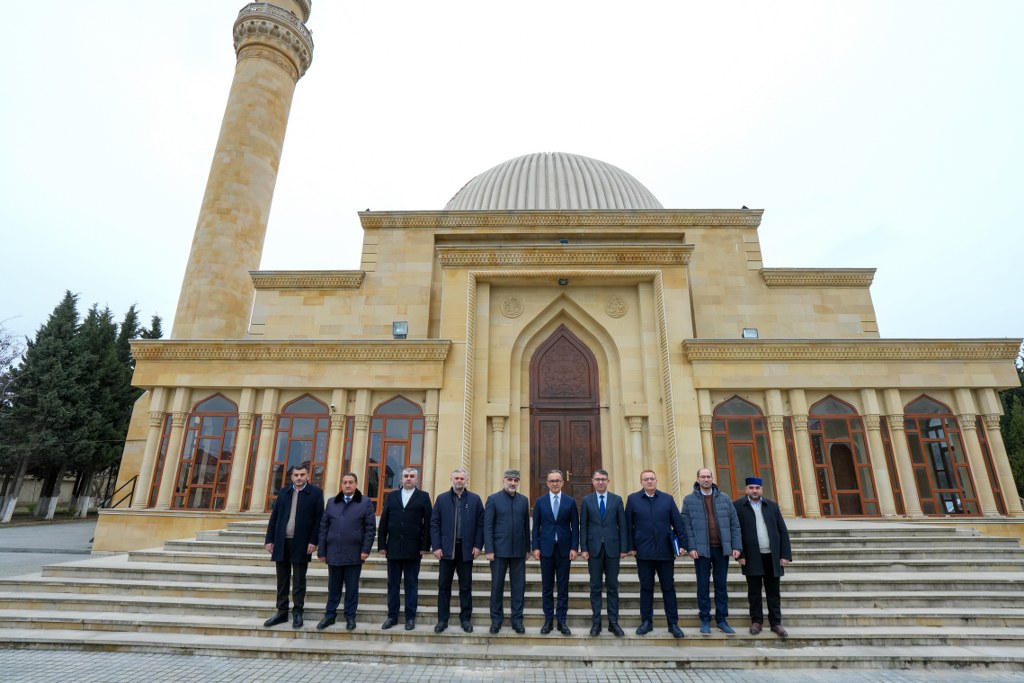
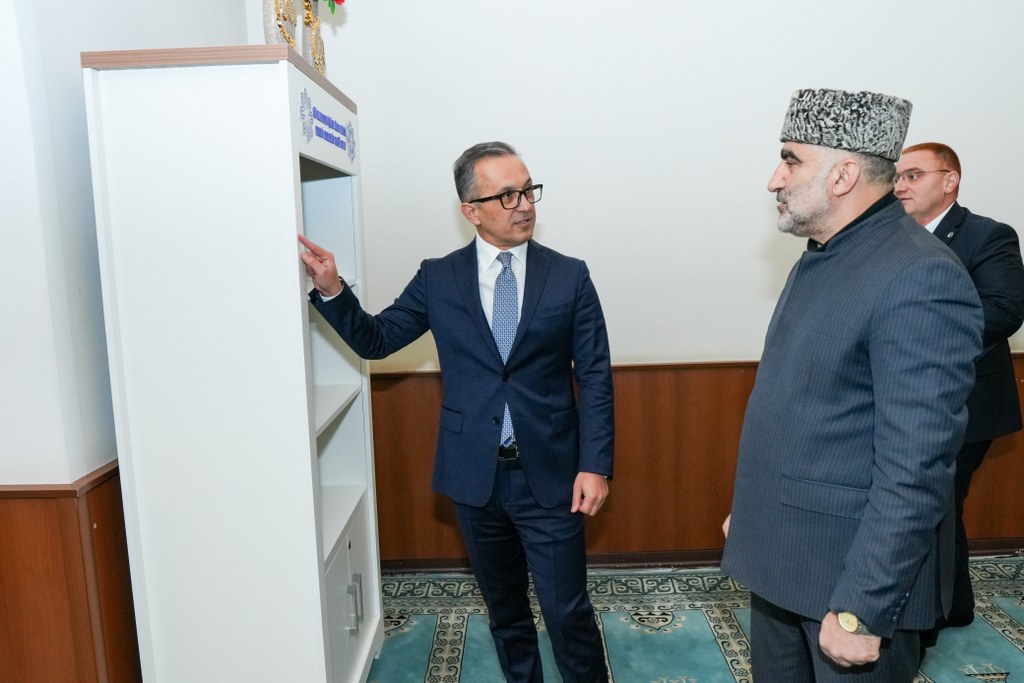
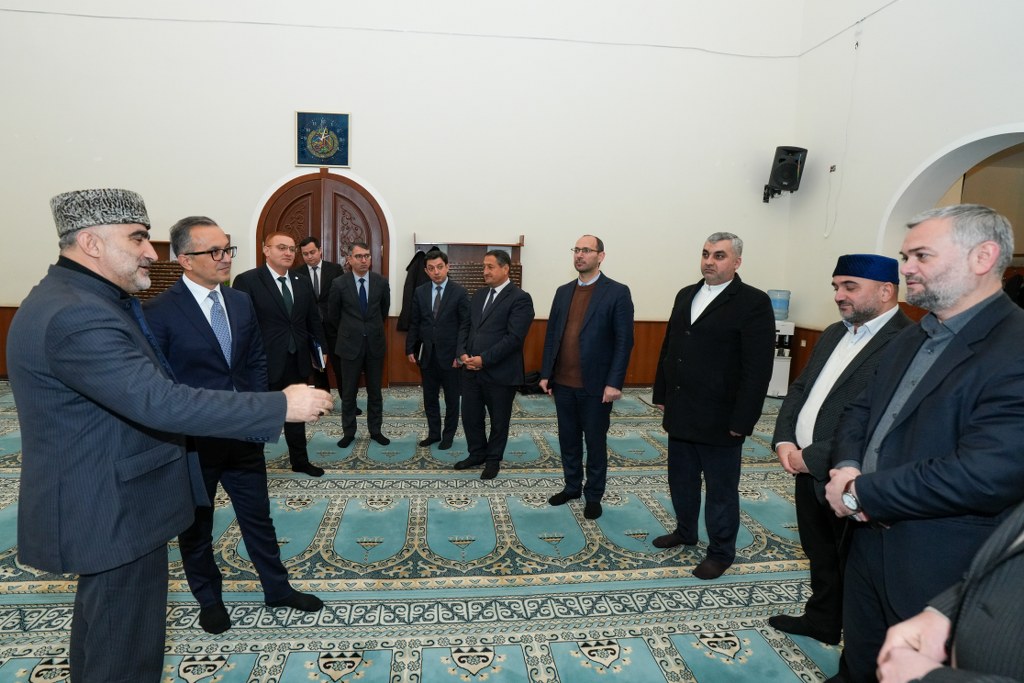
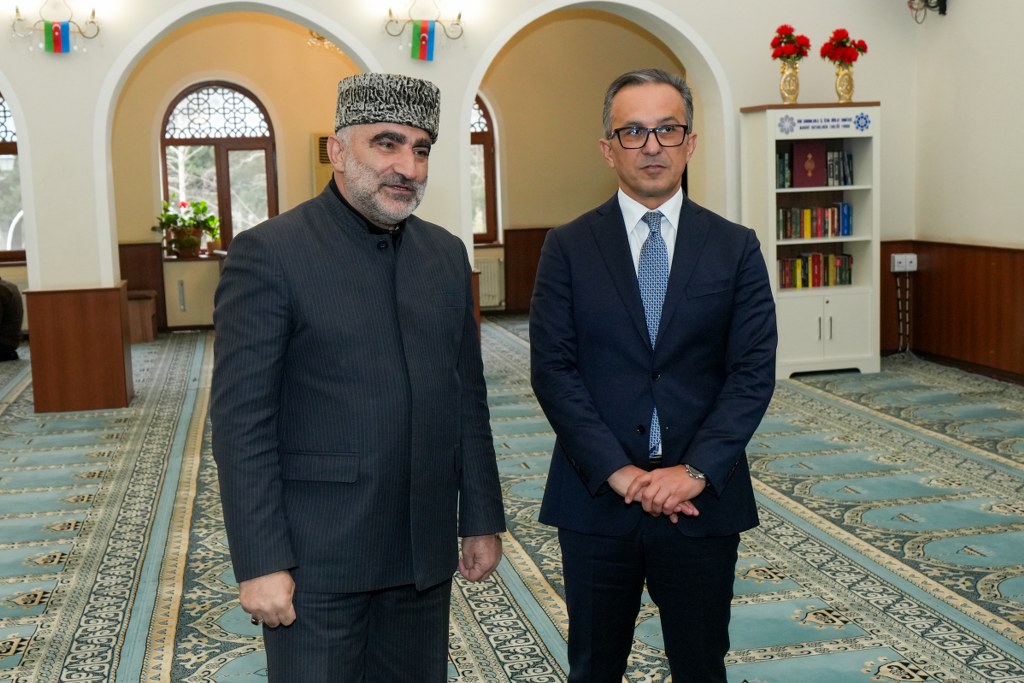
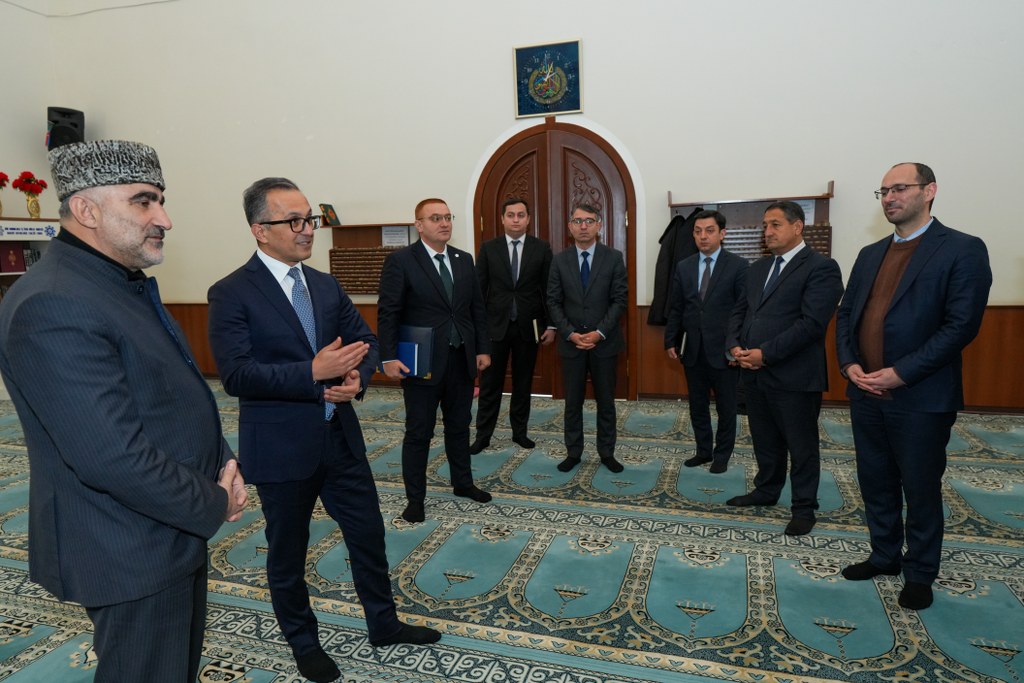
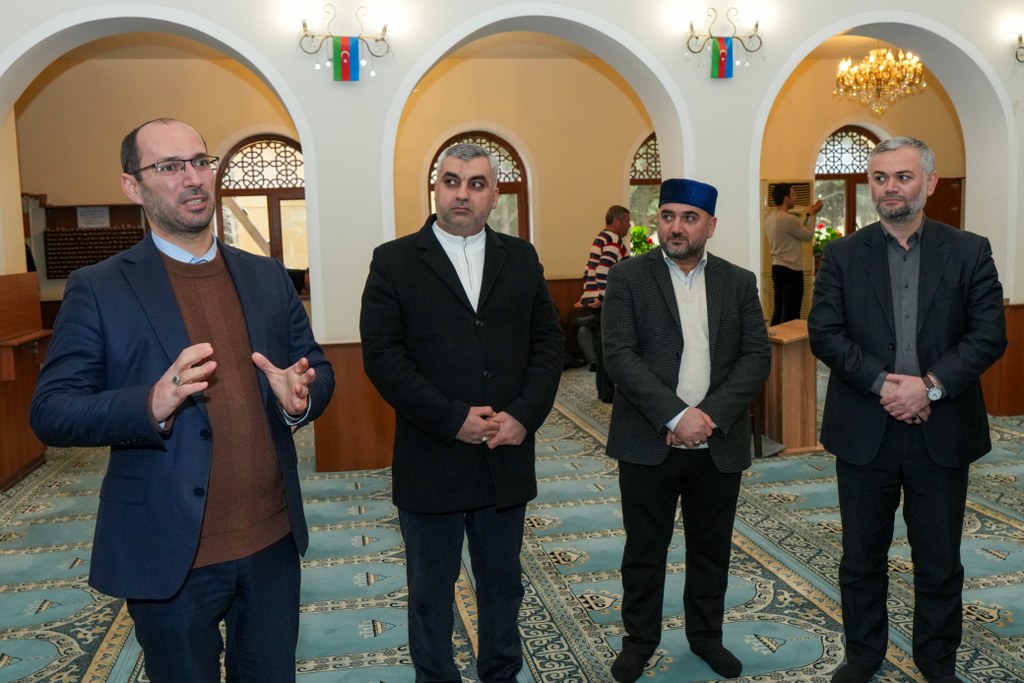
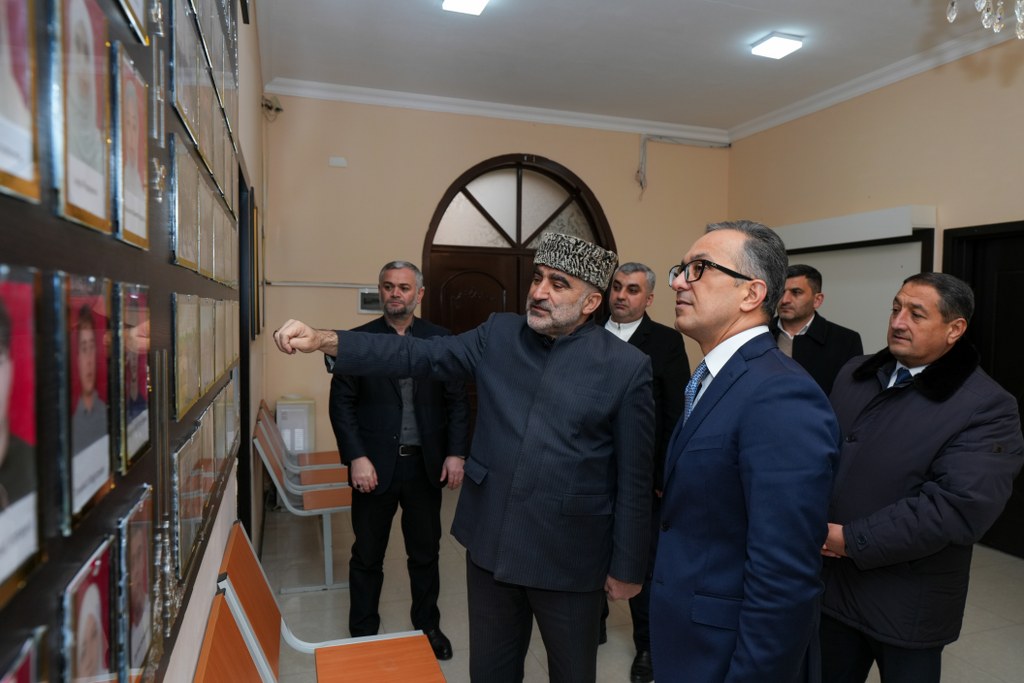
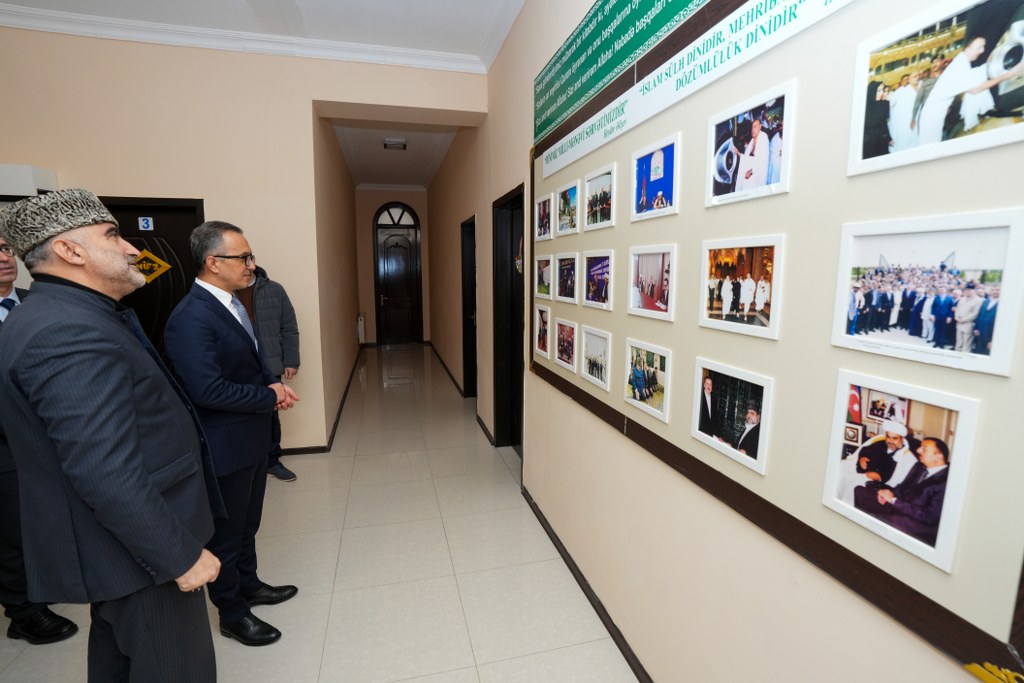
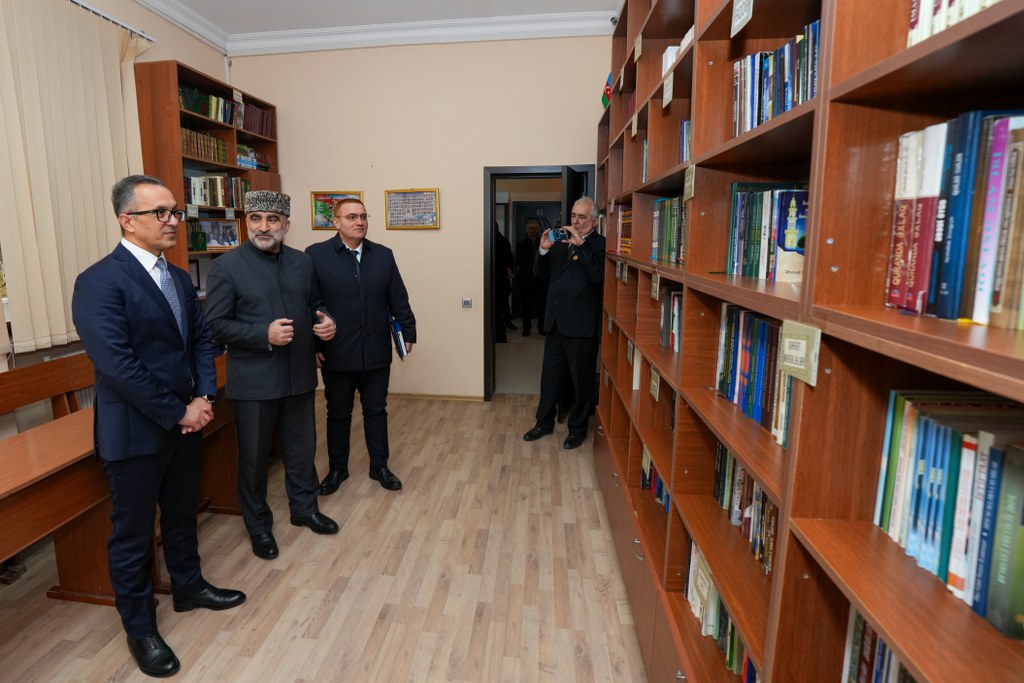
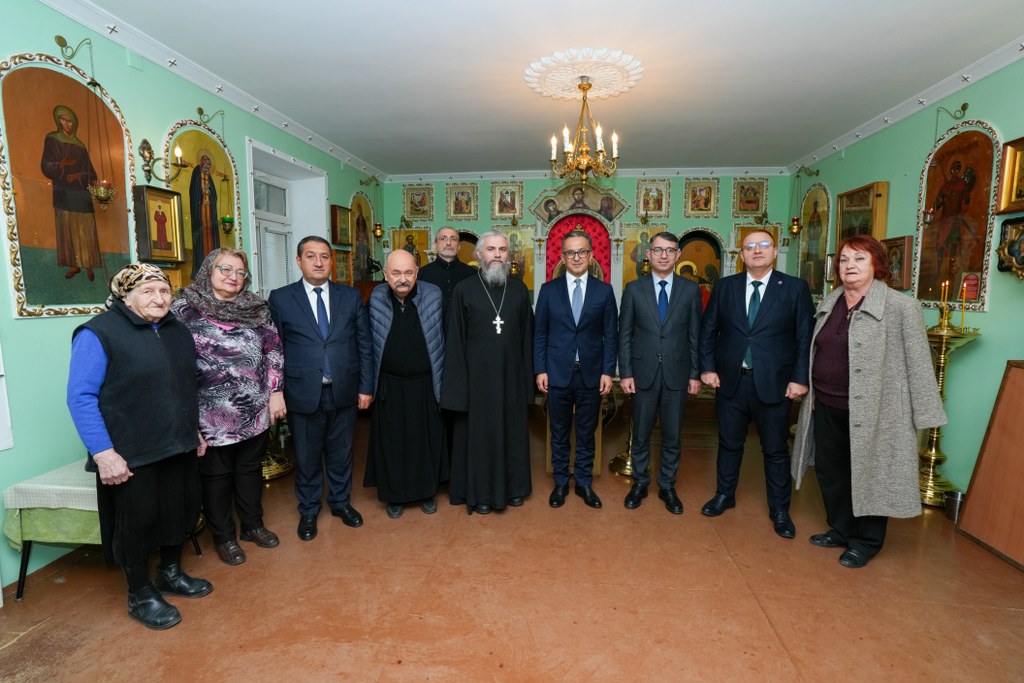
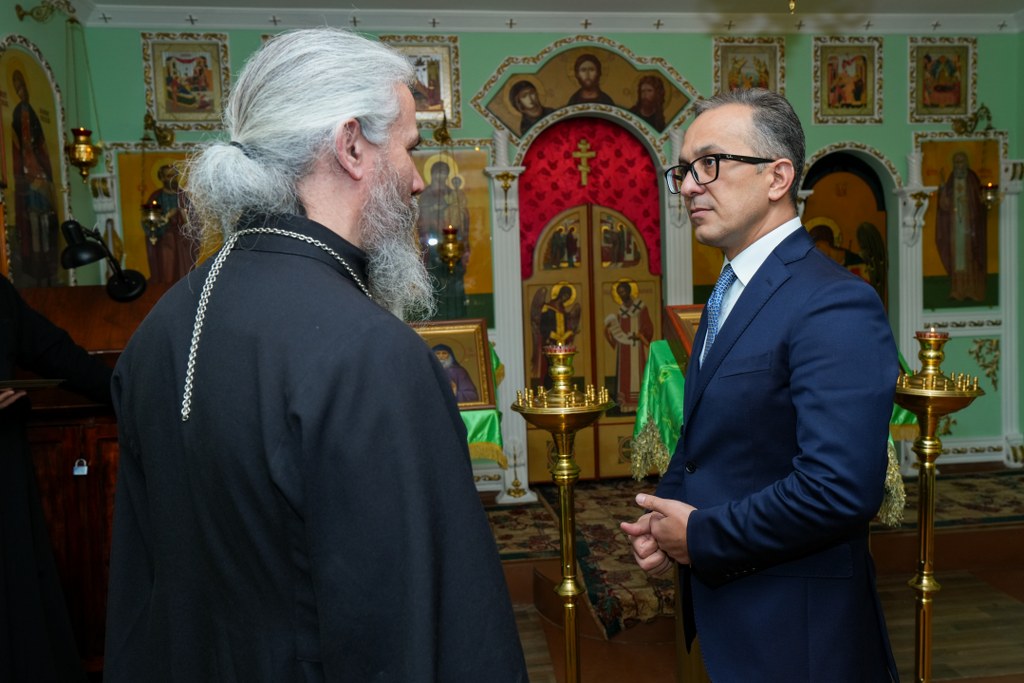
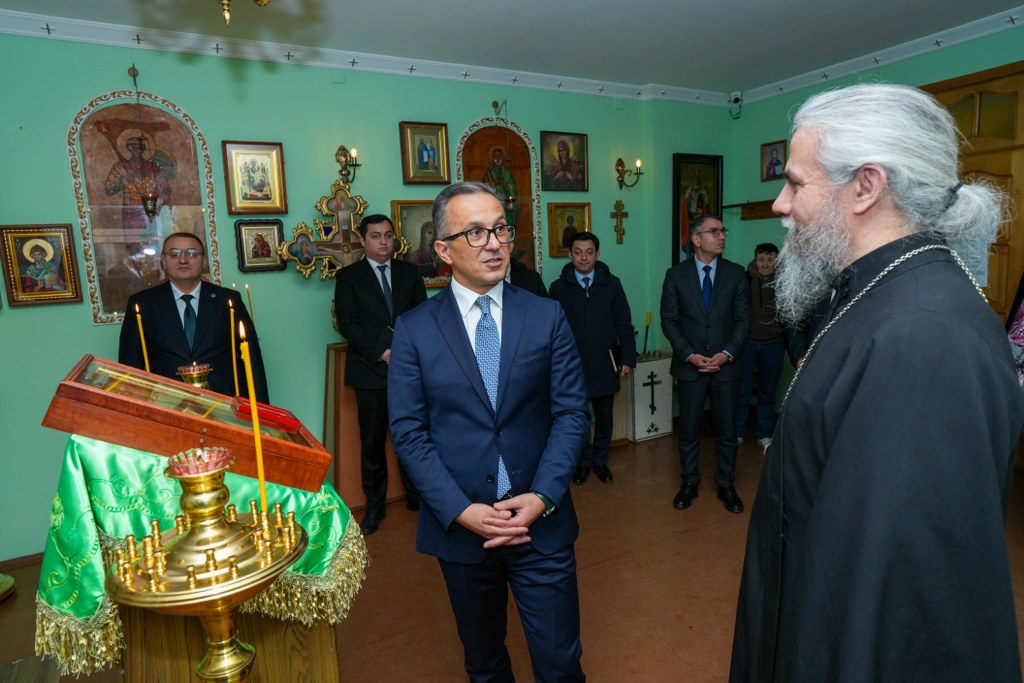
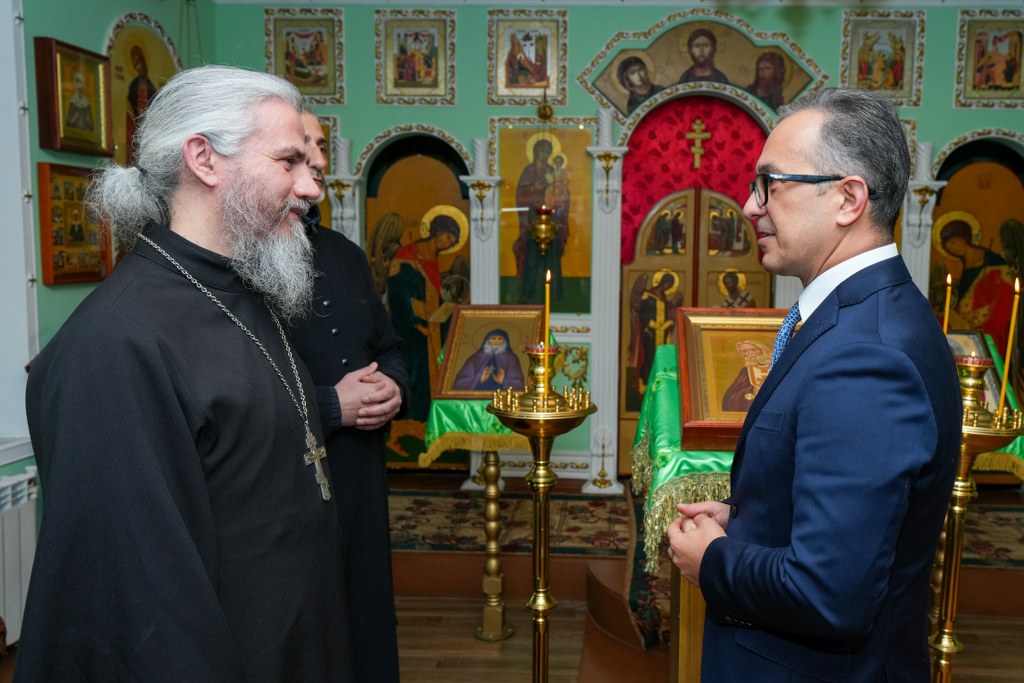
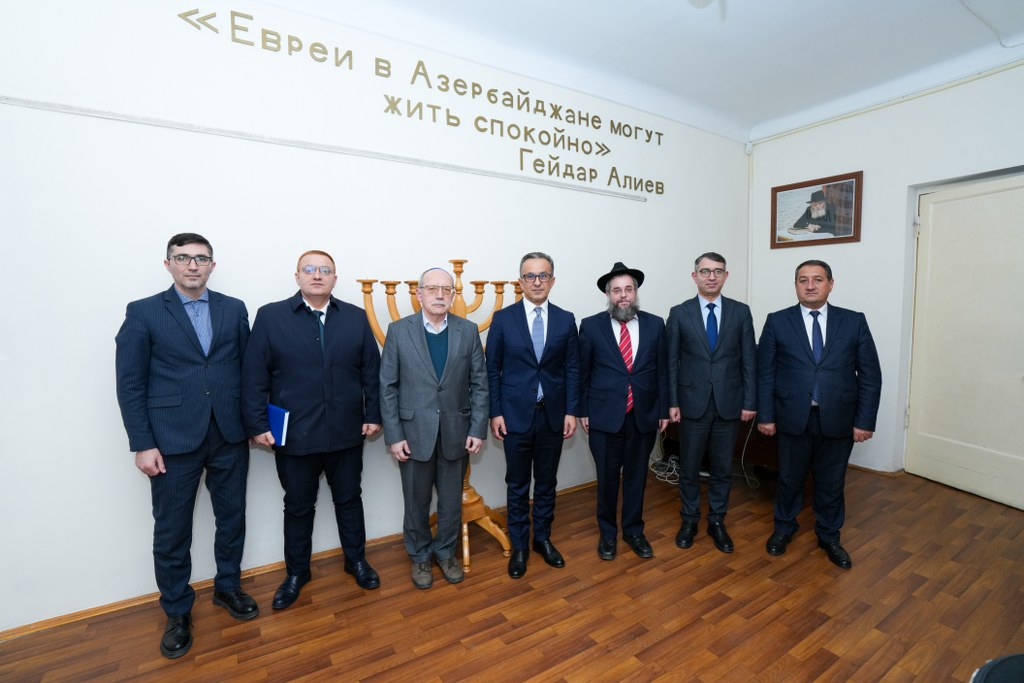
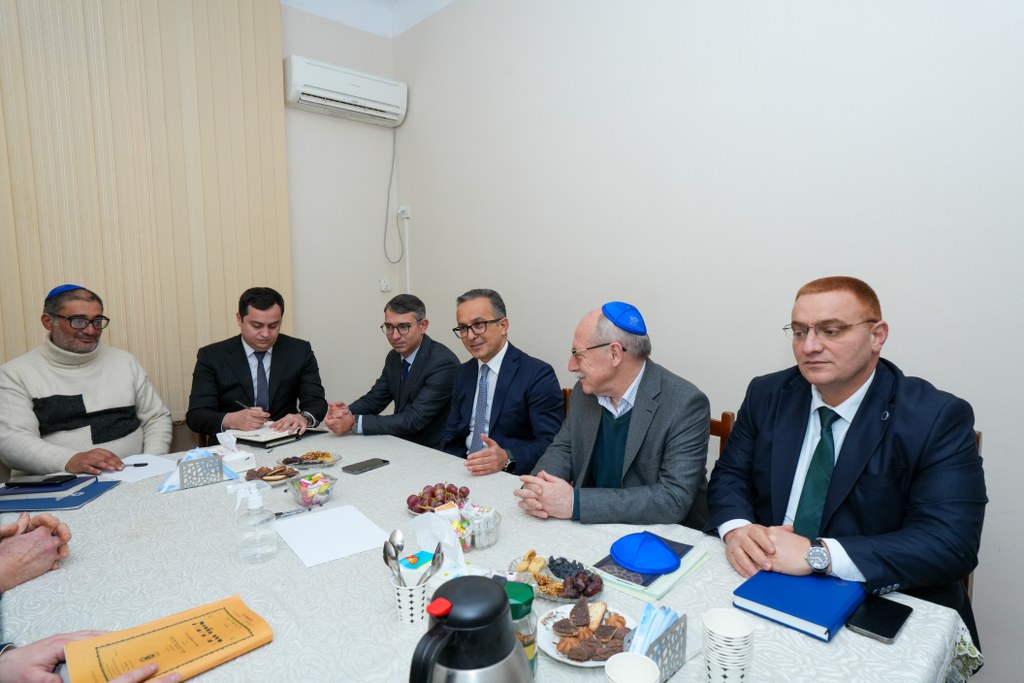
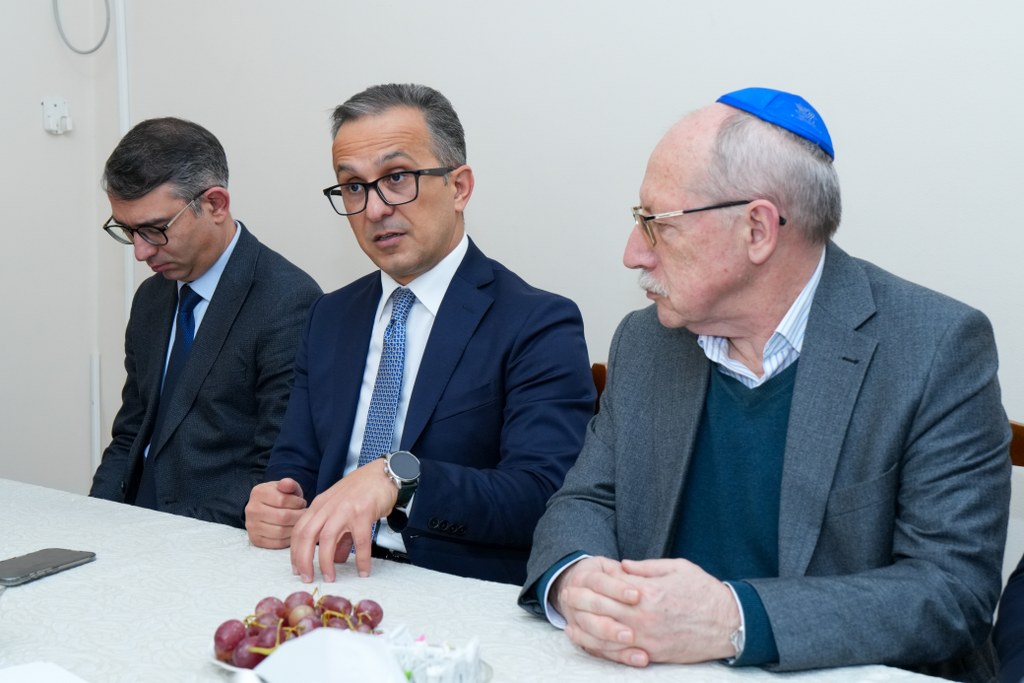
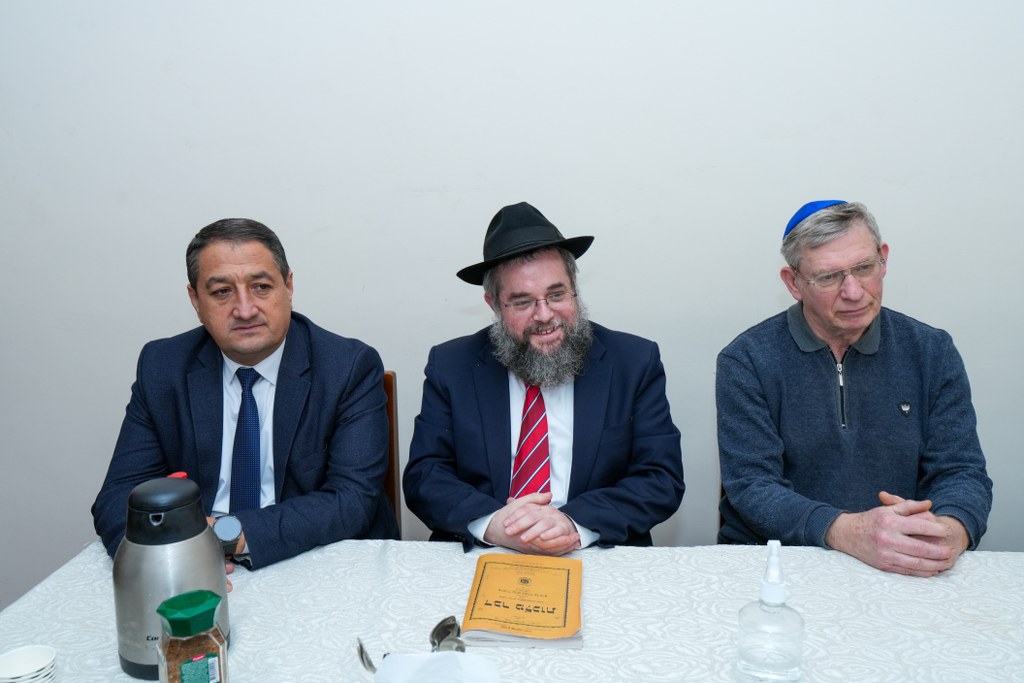
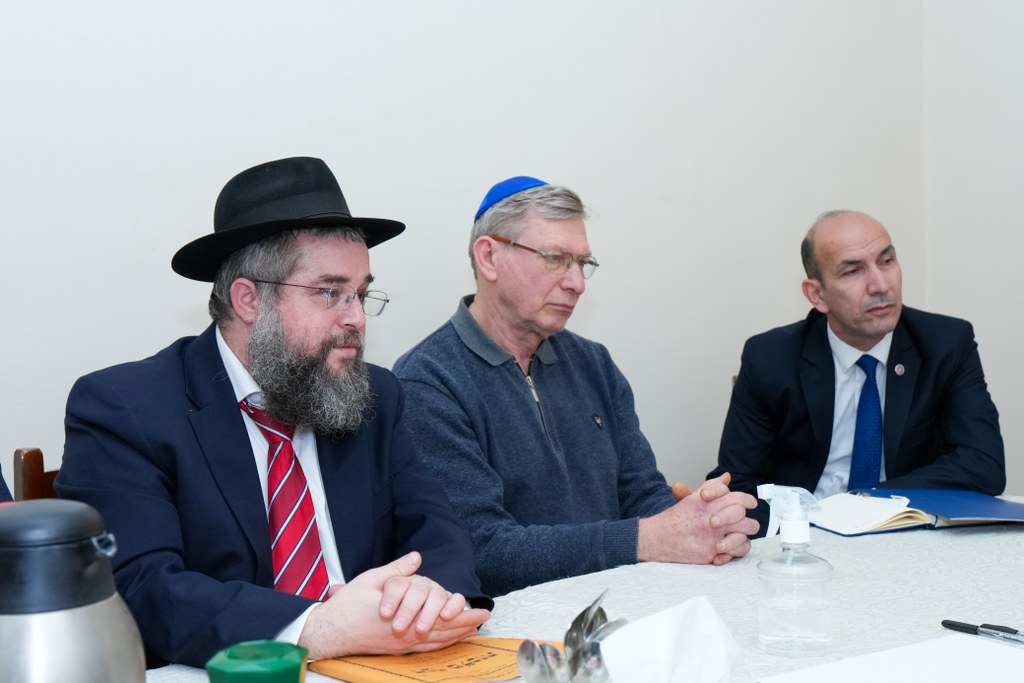
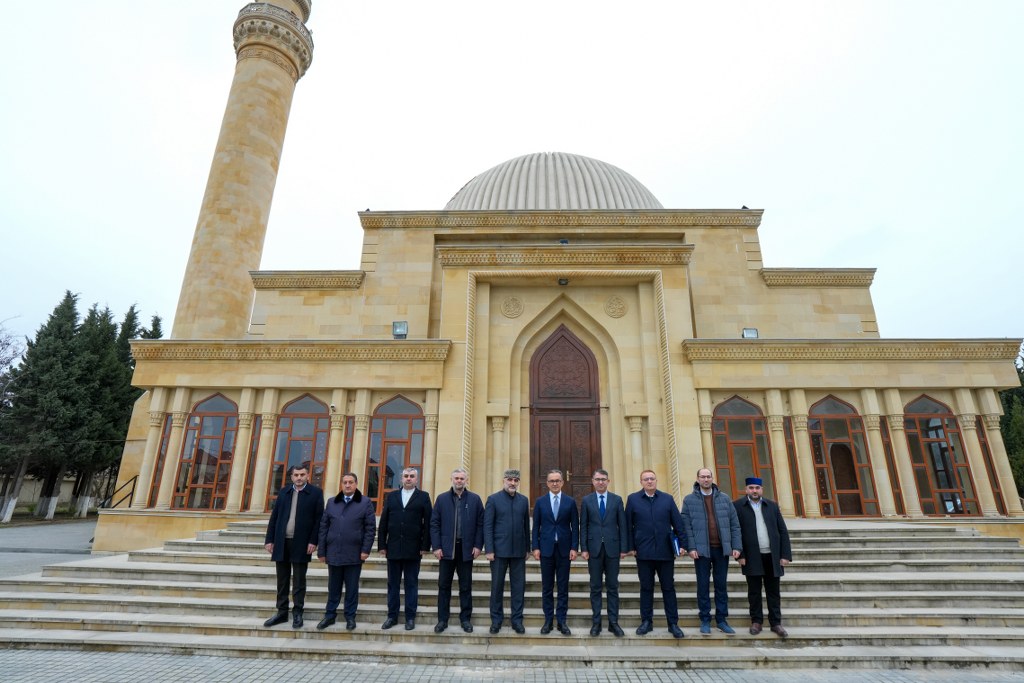
On February 5, Ramin Mammadov, Chairman of the State Committee on Affairs with Religious Associations, visited several religious sites in the city of Sumgait, including the “Juma” Mosque, the “Jeyhun Khanum and Haji Ahmad” Mosque, the “Saint Seraphim of Sarov” Church, and the house of worship of the “Sumgait Jews” religious community. During the visit, he familiarized himself with the activities of these religious institutions and met with members of the clergy.
During the meetings, the Chairman emphasized that under the leadership of the President of the Republic of Azerbaijan, Mr. Ilham Aliyev, religious tolerance and multiculturalism are consistently upheld as key priorities of state policy. It was noted that the state’s policy in the religious sphere is not incidental, but rather constitutes a well-considered, long-term strategy grounded in national interests. This approach contributes to strengthening ideological cohesion within society and transforming religious diversity into one of the fundamental pillars of national solidarity.
Ramin Mammadov further stated that maintaining a balanced relationship between the state and religion, adopting a preventive approach against radical tendencies and promoting a healthy religious environment are essential components of Azerbaijan’s model of stability and security.
The Chairman also addressed the importance of presenting religious topics on social media in a responsible and thoughtful manner. He noted that the dissemination of distorted religious information through digital platforms may pose ideological risks to society. In this regard, he underscored the importance of active engagement by religious figures in promoting sound religious understanding and national-spiritual values, as well as the purposeful use of social media’s educational potential to counter radical and alien ideological influences.
The religious representatives expressed their gratitude to the head of state for the favorable conditions created for the free and lawful functioning of religious communities, the continued development of the country’s traditions of coexistence, and the regulation of state–religion relations based on mutual respect and trust.